Unveiling the Hidden Costs of Fashion: The Price of Style Beyond the Tag
In a world where fashion reigns supreme, we often find ourselves enamored with the allure of a beautiful dress or a stunning pair of shoes. Yet, the question remains: what is the true cost of fashion? As we navigate through our daily lives, our wardrobes tell a story not just of style, but of values, choices, and sometimes, hidden sacrifices.
First, let’s dive into the most apparent cost—the price tag. It’s easy to get caught up in the excitement of new trends and flashy brands. However, it’s vital to remember that the most expensive item in your closet doesn’t necessarily equate to the best quality or sustainability. Many high-end labels leverage luxury branding to inflate prices, often leading consumers to associate cost with value. In reality, many budget-friendly options can offer the same quality and aesthetic appeal. The key is to shop mindfully, looking beyond labels and instead focusing on craftsmanship, materials, and ethical practices.
Next, we must consider the environmental impact of our fashion choices. The fast fashion industry is notorious for its significant contribution to pollution and waste. It’s estimated that the production of a single cotton t-shirt requires over 2,700 liters of water. This staggering statistic highlights the importance of seeking out eco-friendly alternatives. Sustainable brands prioritize the planet, utilizing organic materials and ethical labor practices. By choosing to support these brands, not only do we make a statement with our style, but we also contribute to a healthier planet.
But what about the psychological costs? Fashion is often used as a means of self-expression, a way to communicate our identity and aspirations. However, the pressure to conform to certain styles or trends can lead to anxiety and dissatisfaction. Social media plays a pivotal role in this dynamic, where influencers showcase unattainable lifestyles and wardrobes, leaving many feeling inadequate. It’s essential to break free from this cycle. Instead of chasing trends, consider what styles truly resonate with you. Curate a wardrobe that reflects your individuality, and in doing so, you’ll discover a sense of confidence that no label can provide.
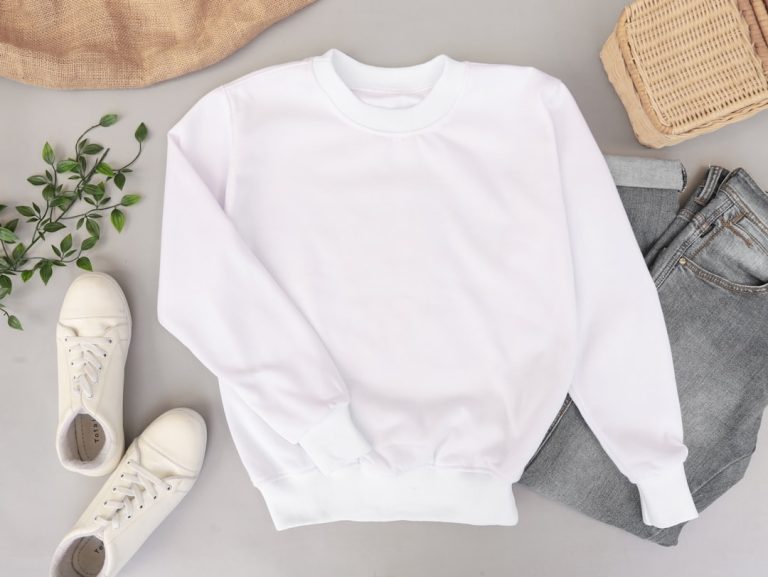
Now, let’s explore a different angle: DIY fashion. With a bit of creativity, we can transform our approach to style. Instead of spending copious amounts on new pieces, consider upcycling or customizing your existing wardrobe. A simple t-shirt can become a statement piece with the addition of fabric paint or embellishments. Not only is this approach budget-friendly, but it also allows for personalization, resulting in one-of-a-kind items that tell your story.
Another emerging trend worth noting is the rise of rental fashion. Services that allow us to rent high-end designer pieces offer an innovative solution to enjoying luxury without the commitment of purchase. This not only allows us to indulge in the thrill of wearing something exquisite for a special occasion but also encourages a more sustainable approach to fashion consumption. Think of it as an opportunity to elevate your style for that big event without the guilt of contributing to waste.
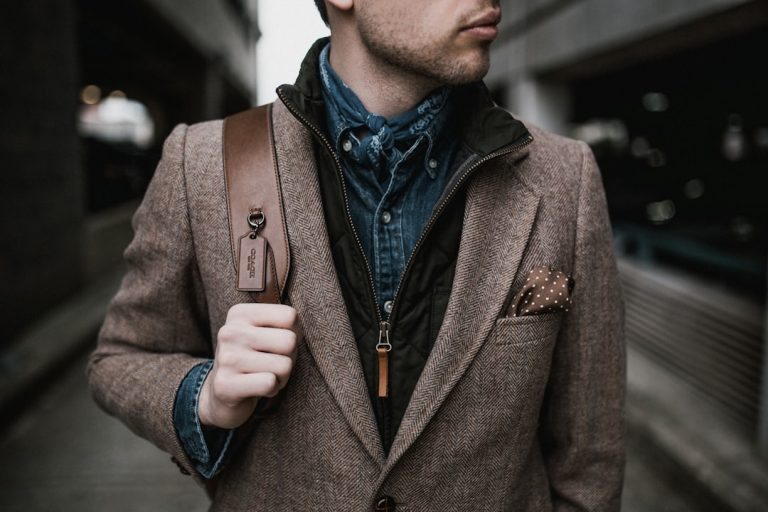
Lastly, let’s not overlook the power of versatility. Investing in staple pieces that can be styled in multiple ways is a savvy way to maximize your wardrobe’s potential. A classic blazer, for instance, can seamlessly transition from a corporate setting to a casual dinner, adapting to various scenarios. Emphasizing quality over quantity ensures that each piece you own serves a purpose, ultimately simplifying your life and enhancing your productivity.
In conclusion, the cost of fashion extends far beyond what we see on the surface. It encompasses environmental implications, psychological effects, and our ability to express ourselves authentically. As consumers, we hold the power to make informed choices that reflect our values and beliefs. By prioritizing sustainability, exploring DIY options, embracing rental fashion, and focusing on versatility, we can redefine our relationship with fashion. Remember, style is not merely about the clothes we wear but the stories we tell and the impact we leave behind.